
Pricing a research service is rarely just about the first payment.
The real cost depends on how long you stay, what the subscription renews at, and whether the refund window gives you enough time to decide if the membership deserves a place in your budget.
The Primary Trend offers both a shorter entry plan and a discounted annual option, giving some flexibility before making a longer commitment.
In this guide, I’ll break down The Primary Trend pricing, compare the available plans, and explain the renewal, cancellation, refund, and potential software costs that matter before joining.
 How Much Does The Primary Trend Cost?
 How Much Does The Primary Trend Cost?
You can currently choose between a three-month introductory membership and a discounted annual subscription.
The shorter option costs $49 for the first three months. Once that opening period ends, access renews at $99 per quarter unless canceled.
The annual membership costs $297 for 12 months, reduced from a regular price of $499.
Both plans include the same core research access, so the real choice is not about unlocking a better version of the service: it’s about how long you plan to stay and how much you want to commit at the start.
The three-month option feels better for someone still deciding whether Parets’ technical style fits, while an annual membership gives stronger value if you expect to use the research through a full year of changing market conditions.
Which Plan Offers the Better Value?
The shorter membership wins on flexibility.
Three months gives new members enough time to see how Parets handles portfolio changes, market updates, and shifting technical conditions.
That is much more useful than judging the service from one report or one recommendation.
The annual plan wins on total cost. Four regular quarterly renewals would add up to $396 across 12 months.
Choosing the annual term lowers that total by $99, which works out to roughly a 25% saving against the standard quarterly rate.
That does not make the annual plan the right choice for everyone. A reader who remains unsure may prefer paying less upfront, even if the longer route costs more later.
For someone already comfortable with chart-driven research, the annual option makes more sense.
How Renewals Work
Both subscriptions continue automatically until you cancel.
The opening three-month offer moves to the regular quarterly rate after the first term, so that initial discount doesn’t repeat.
An annual membership’s promotional price applies to the first term, but there is no clear reason to assume that the same discounted rate will remain locked forever.
That makes the renewal date worth noting as soon as you join.
A few weeks before the next charge, consider how often you used the service, whether the alerts helped, and whether the ongoing research justified another term.
Automatic renewal is normal for a service built around continuing market coverage. It becomes frustrating only when the next charge catches someone off guard.
 Can You Cancel The Primary Trend?
 Can You Cancel The Primary Trend?
Members can cancel and stop future renewal charges, but cancellation does not automatically reverse a payment that has already been processed. It only prevents the next scheduled billing.
Refunds fall under a separate policy, and you have to request them during the stated guarantee period.
The safest approach is to submit a cancellation well in advance of the next renewal date.
Keeping a copy of the cancellation confirmation also makes sense. That gives you a clear record if any billing question comes up later.
The 30-Day “Sleep Soundly” Guarantee
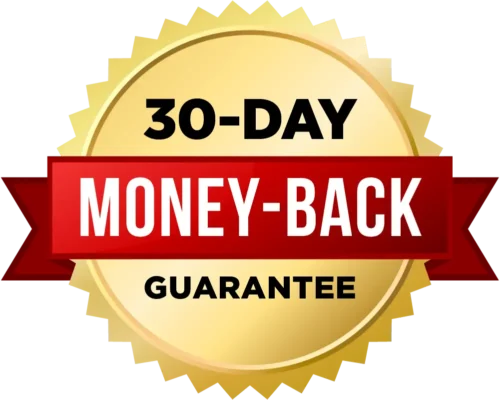
The service comes with a 30-day money-back guarantee, giving enough time to judge more than the sales message.
 You can read the current market outlook, study the model portfolio, attend Monday market sessions, and watch Friday training before deciding whether the research feels clear and useful.
This is important because you shouldn’t judge a technical service on whether one stock rises during the first few weeks.
The better test is whether Parets explains his reasoning well, sets understandable risk levels, and gives members a process they can follow.
Anyone who remains unconvinced can request a full refund within the 30-day window.
Just keep in mind that the guarantee covers satisfaction with the subscription, not losses from acting on a recommendation.
Does The Primary Trend Offer a Free Trial?
There is no standard free trial.
Access begins after payment, so you’ll get charged the membership fee the moment you join.
The 30-day guarantee acts as the closest alternative because it gives full access with the option to request reimbursement.
I prefer that setup to a limited preview that hides the portfolio or removes the most useful parts of the service.
A stripped-down trial may look safer, but it often gives a poor sense of how membership works in practice.
The introductory quarter also lowers the initial commitment, though it remains a paid subscription.
The Potential NOW Score Software Cost
The main extra expense worth watching involves the NOW Score software.
Charter Members should receive the first year of access without an added charge once the tool becomes available.
While I’m not entirely sure how it will play out, this software could become a separate paid add-on expected to cost around $1,000 per year.
That figure is much higher than the core membership fee, so it deserves attention. As an additional cost, you don’t want to confuse it with the subscription fee.
The NOW score does have some amazing potential, allowing you to search sectors, industries, and individual securities through a 0-to-100 ranking based on trend, relative strength, and momentum.
You’ll have to decide if it’s worth keeping after using it for that first year – if you become a Charter member.
What Supports the Membership Cost?
The strongest value case comes from the scale of Parets’ research.
He studies roughly 5,000 charts each week before narrowing that universe to a smaller group of opportunities.
TrendLabs has also invested more than $1 million in the data, technology, and research behind the NOW Score framework.
Those figures do not guarantee better returns, but they do show that members are paying for a large filtering process rather than a few casual stock opinions.
The subscription also covers ongoing monitoring, portfolio guidance, buy and sell alerts, and changes when technical conditions weaken.
Value still depends on use. Someone who reads one report and ignores every alert will get much less from the membership than someone who follows the research over several months.
The fee makes the most sense when you use the full process rather than expecting one recommendation to recover the entire subscription cost.
Are There Forced Upsells?
I have never seen any upsells in my time with The Primary Trend.
The NOW Score software is the main optional expense to separate from the regular membership.
Its possible future price may look substantial, but you can’t think of it as a required second subscription.
The base service stands on its own, and you’ll still be able to follow the market outlook, portfolio guidance, and official recommendations without paying for every added tool.
Occasional upgrade offers honestly aren’t unusual for a financial publisher. The more important question is whether the main membership remains useful without them.
 Is The Primary Trend Pricing Fair?
 Is The Primary Trend Pricing Fair?
Yes, the current setup feels fair for an active technical research service.
The shorter option gives cautious readers a manageable starting point, while the annual membership offers stronger long-term value.
Having a 30-day guarantee also lowers the risk of making the wrong choice.
The quarterly renewal deserves attention, and the future NOW Score fee should remain separate from the cost of the core membership.
Neither issue weakens the offer when understood in advance.
If you plan to follow JC Parets’ market outlooks, alerts, and portfolio guidance, the pricing matches the amount of ongoing work involved.
The service will feel less valuable to someone looking for one quick idea. It makes more sense for those who want a chart-driven process working through changing market conditions.
Final Verdict on Pricing, Renewals, and Refunds
The Primary Trend gives readers a clear choice between flexibility and longer-term savings.
The shorter plan suits anyone who wants time to judge the fit before committing to a full year.
The annual option offers better cost efficiency for readers already confident in Parets’ approach.
Renewals are easy to manage when the billing date is tracked, while the 30-day guarantee adds useful protection during the first month.
The possible NOW Score charge deserves attention later, but it does not define the value of the core membership.
Overall, The Primary Trend pricing feels reasonable for readers who plan to use the ongoing research rather than join for one isolated recommendation.

 Tags:
Tags: