
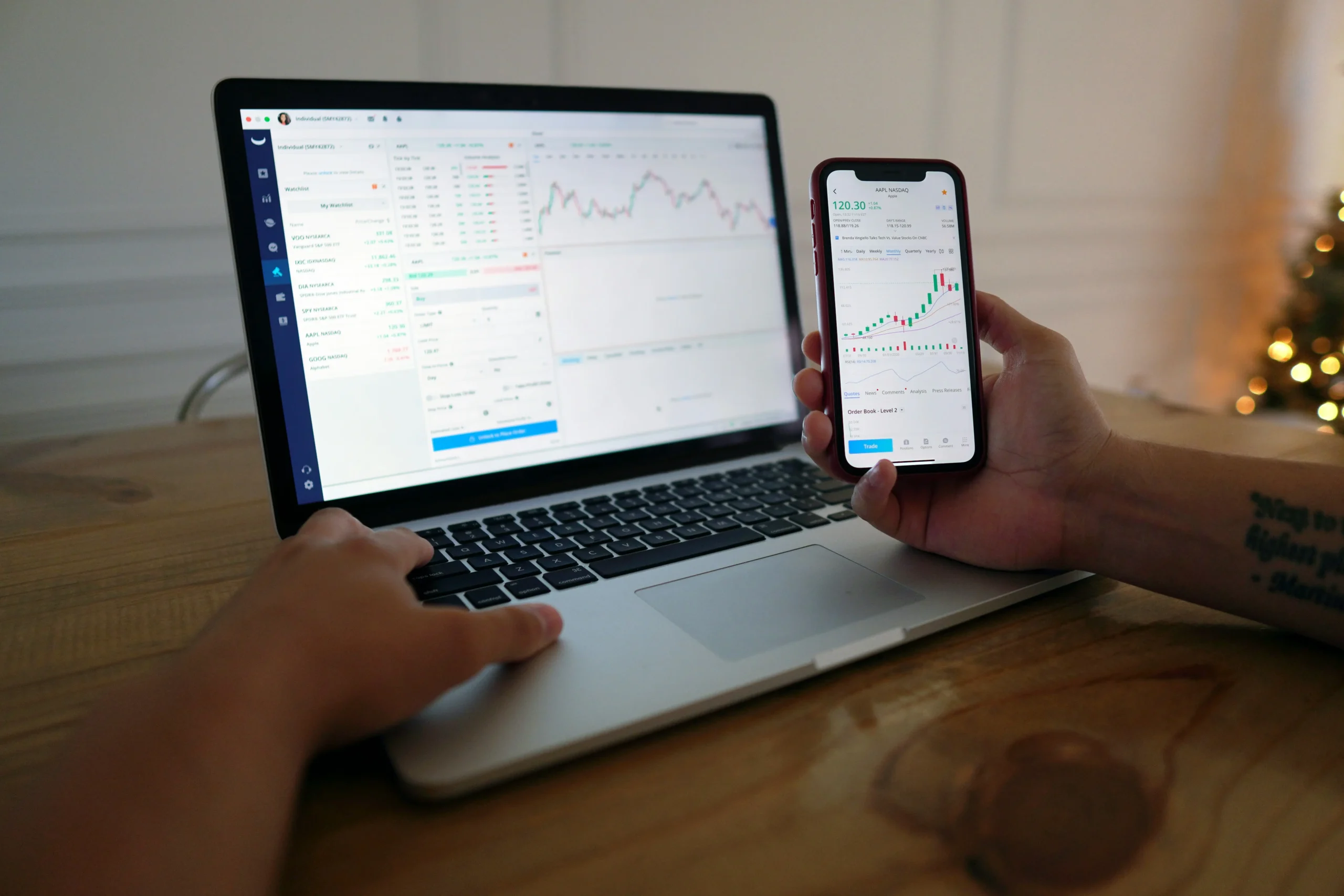
Rebalancing is not about reacting to markets. It is about maintaining control when markets move without regard for your comfort level. In 2026, portfolio drift will be faster and more consequential because asset returns are increasingly uneven and volatility is concentrated rather than broad. Investors who ignore rebalancing often do not recognize the risk until it becomes a permanent loss.
Those who rebalance impulsively tend to trade themselves into worse outcomes. The discipline sits between those two mistakes. The purpose is to identify when rebalancing is genuinely justified, how to execute it without eroding returns, and why restraint is as important as action.
Why Rebalancing Is Non-Negotiable in 2026
The market in 2026 will be defined by wide valuation gaps, uneven economic signals, and extreme differences in asset performance. When returns diverge this sharply, portfolios drift quickly even without trading. Equity exposure creeps higher, defensive positions fade, and risk builds in ways monthly statements rarely show. Over time, a balanced portfolio turns into a concentrated wager.
At that stage, unmanaged market exposure starts to behave less like long-term planning and more like systems governed by probability, distribution, and risk limits. In those environments, outcomes depend less on single decisions and more on how often positions are adjusted as conditions change. That dynamic is often used as a comparison point in discussions around Inclave login casinos, which operate as tightly structured systems where thousands of outcomes flow through a single access layer. The key takeaway isn’t the activity itself, but the framework behind it: without continuous limits, resizing, and adaptation, variance quickly overwhelms intent. Rebalancing an investment portfolio works similarly by resizing positions and redirecting exposure as performance shifts, thereby preventing momentum from turning participation into unchecked risk.
Rebalancing forces an honest assessment of whether current exposure still matches the risk you agreed to take. This matters in 2026 because drawdowns are likely to arrive faster and cut deeper than in prior cycles. Rebalancing will not prevent losses, but it limits how much damage any single move can cause. That protection only works when it is applied before pressure builds, not after.
 Rebalancing Versus Market Timing
 Rebalancing Versus Market Timing
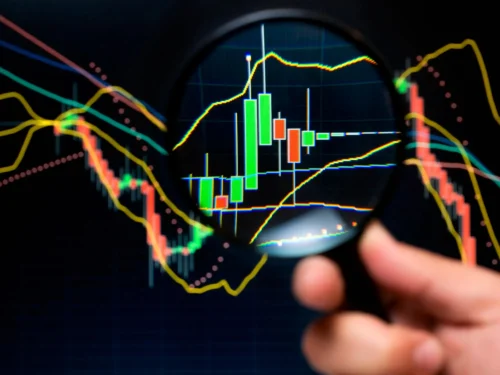
Rebalancing and market timing both involve trading, but the similarity ends there. Market timing, whether through long-term investing or short-term trading, is built on forecasts about what prices will do next. Rebalancing assumes those forecasts are unreliable and keeps risk aligned with the original intent. In 2026, that difference matters. Investors who sell on expectations of a downturn often miss recoveries or buy back at higher prices. Rebalancing does not rely on those calls. Positions are adjusted only because their weight has drifted, not because of a market view. Removing opinion from the process is often the difference between discipline and regret when uncertainty is high.
Portfolio Drift as the Primary Signal
The clearest reason to rebalance is portfolio drift. When an asset class moves far enough away from its target weight, the portfolio no longer reflects the intended risk profile. A deviation of roughly 5% in a major allocation is usually enough to matter. In volatile periods, that level of drift can occur faster than expected.
In 2026, ignoring drift is especially risky because leadership is narrow. A handful of strong performers can distort the entire portfolio. Rebalancing at this point is not about locking in gains or buying dips. It is about restoring balance before concentration risk becomes the dominant driver of outcomes.
Life Changes That Influence Rebalancing
Markets are not the only reason to rebalance. Career progression, income stability, social obligations, or time horizon directly affect your investment portfolio and how much risk you can tolerate. In 2026, many investors will reassess priorities after several years of economic uncertainty and shifting work conditions.
When your circumstances change, your portfolio must change with them. Holding the same allocation because markets are unpredictable is not a justification. Risk capacity is personal, not market-driven. Rebalancing after a major life event is not optional. It is part of responsible portfolio management.
Calendar-Based Rebalancing Still Works
Calendar-based rebalancing works because it removes emotion from the decision. Adjustments happen on schedule, not in response to how markets feel. That structure matters in 2026, when noise and commentary are constant. For most investors, rebalancing once a year is enough. It allows real drift to develop without encouraging unnecessary trades. Semiannual reviews can make sense for larger or more complex portfolios, but timing should never be driven by headlines. Consistency matters more than fine-tuning.
Threshold-Based Rebalancing in Volatile Markets
Threshold-based rebalancing triggers action when allocations breach predefined limits. This method responds directly to risk changes rather than time passing. In a volatile environment, it can prevent excessive exposure from building up between scheduled reviews.
The challenge is setting thresholds that are wide enough to avoid constant trading. Tight bands create unnecessary activity and tax consequences. Well-designed thresholds focus on major allocation shifts, not short-term swings. The goal is intervention when risk changes materially, not micromanagement.
Taxes Can Turn Effective Rebalancing Into Bad Execution
Tax impact is the most common reason rebalancing backfires. Selling appreciated assets in taxable accounts can create liabilities that overwhelm the benefit of restoring balance. In 2026, uncertainty around tax policy increases this risk.
Effective rebalancing starts in tax-advantaged accounts where gains are sheltered. In taxable accounts, priority should be given to using dividends, interest, and new contributions to adjust allocations. When selling is unavoidable, losses should be harvested deliberately to offset gains. Rebalancing must be evaluated on an after-tax basis, or it fails its purpose.
Using Cash Flows Instead of Selling
Cash flows are one of the most efficient rebalancing tools available. Directing new contributions or reinvested income toward underweighted assets corrects drift without triggering taxes or transaction costs. This approach is slow, but it is clean.
In 2026, investors still in accumulation mode should rely heavily on this method. It reduces the need for reactive trades and keeps the portfolio aligned through steady adjustments. The key is intentional allocation of cash, not automatic purchases that reinforce existing imbalances.
 Rebalancing During Market Stress
 Rebalancing During Market Stress
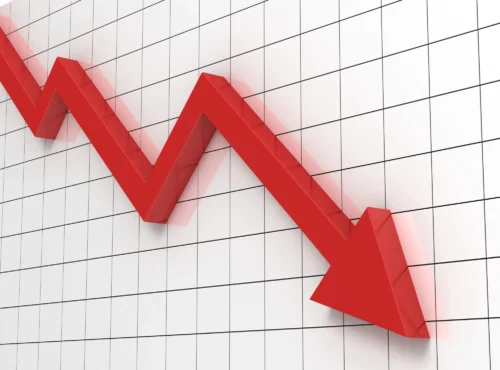
Market stress is when rebalancing feels most uncomfortable. Selling assets that have performed well and buying those under pressure runs directly against instinct. That discomfort is not a signal to stop. It is the reason the discipline exists. It also highlights the importance of emotional intelligence in trading and investing. The ability to recognize fear, resist impulsive decisions, and remain aligned with a long-term strategy often separates disciplined investors from reactive ones during periods of stress.
In 2026, stress periods will test patience. Rebalancing during these moments restores intended risk exposure and positions the portfolio for recovery without attempting to predict timing. Investors who wait for clarity usually act too late. Rebalancing works precisely because it does not wait for confirmation.
The Cost of Over-Rebalancing
Rebalancing too frequently drags on returns through costs, taxes, and bad timing. Minor drift does not justify action. Treating every move as a problem turns investing into trading. In 2026, the urge to act will be constant, which makes rules essential. A process that produces frequent trades is broken. Rebalancing should be intentional, not routine.
Correlations Matter More Than Percentages
Rebalancing is not just about keeping percentages in line. What matters is how assets move in relation to each other when conditions change. In 2026, many of the relationships investors have relied on, especially between stocks and bonds, will be less dependable. When correlations rise, diversification weakens even if the portfolio looks unchanged on paper. Addressing that risk often requires structural changes rather than small adjustments. Ignoring correlation risk creates a sense of stability that disappears when markets come under stress. Rebalancing done well reflects how assets behave together, not just how they are weighted.
Rebalancing Is Not an Excuse to Chase Trends
Every cycle produces new themes and narratives. Rebalancing has nothing to do with rotating into whatever is currently popular. That behavior changes the strategy without acknowledging it.
Proper rebalancing restores the original plan. If the plan itself needs revision, that is a separate decision that requires full analysis. Mixing strategy changes into routine rebalancing creates inconsistency and undermines discipline. The process must remain mechanical.
Automation Helps Only If Rules Are Sound
Automation can improve consistency if it is designed correctly. Automatic rebalancing tools reduce emotional interference and enforce predefined rules, which can be especially valuable for investors prone to overreacting in 2026. Robo-advisors such as SoFi and Wealthfront use automated rebalancing to keep portfolios aligned with target allocations without requiring ongoing investor intervention.
However, automation does not replace judgment. The rules must account for taxes, transaction costs, and portfolio complexity. Blind automation can cause unnecessary trades and hidden tax damage. Control should never be surrendered entirely.
When Rebalancing Should Wait
There are valid reasons to delay rebalancing. Pending major life changes, short-term liquidity needs, or extreme transaction costs can justify waiting. Market uncertainty alone is not one of them.
Any delay should be intentional and documented. Rebalancing postponed without a clear reason becomes neglect. Risk does not pause because decisions do. If you choose not to act, that choice should be conscious and temporary.
Frequently Asked Questions
How often should a portfolio be rebalanced?
For most investors, once a year is enough. Doing it more often usually adds taxes and trading costs without meaningfully improving risk control.
Is it better to rebalance on a schedule or by thresholds?
Either approach works if the rules are set in advance. Schedules remove emotion, while thresholds react to real shifts in risk. Changing methods based on headlines is where problems start.
Should rebalancing stop during volatile markets?
No. Volatility is when rebalancing matters most. Waiting for calmer conditions often means acting after risk has already done damage.
Should rebalancing rules change as markets evolve?
Only when your goals or risk capacity change. Updating rules to match market conditions turns a discipline into a judgment call, and that rarely ends well.
Final Thoughts
In 2026, rebalancing is less about being right and more about staying steady. It helps investors stick to their plan, manage risk, and avoid letting short-term noise take control. Markets will stay messy. Rebalancing will not change that. What it does do is stop those ups and downs from quietly pushing a portfolio somewhere it was never meant to go. When it works, it protects long-term goals at exactly the moments when emotions are most likely to take over.

 Tags:
Tags: