


Rising oil prices, growing copper demand, and America’s electricity shortages all point to potential opportunities. But are these signs of a lasting commodity supercycle, or just another short-term market trend?
That is exactly what I wanted to understand about Whitney Tilson’s strategy behind Commodity Supercycles.
In this guide, I’ll break down the commodity supercycle thesis, explain the economic forces behind Tilson’s investment case, and explore whether his approach offers a practical way to benefit from the next major resource cycle.
 What Is the Commodity Supercycle Thesis?
 What Is the Commodity Supercycle Thesis?
A commodity supercycle occurs when demand for raw materials grows faster than supply can keep up over an extended period.
Unlike a temporary price spike, these cycles can last for years as businesses struggle to increase production.
When demand rises and supply remains limited, resource prices can stay elevated. That can create attractive conditions for companies that control valuable assets or supply essential infrastructure.
Tilson’s strategy targets businesses that could benefit from rising energy consumption, resource shortages, and the enormous spending required to expand production.
He doesn’t limit the opportunity to buying oil, gold, or copper.
Some of the biggest potential beneficiaries could be companies supplying the equipment, technology, and services needed to bring new resources online.
Why Whitney Tilson Believes Another Commodity Cycle Could Be Taking Shape
 Tilson’s investment case starts with a growing imbalance between America’s resource needs and its ability to meet them.
New mines, power plants, transmission lines, and drilling projects require substantial capital. They also need equipment, skilled workers, permits, and years of development.
Meanwhile, demand for electricity and critical resources continues to expand.
Tilson also highlights how inexpensive commodities have become relative to stocks, a trend that has continued for some time.
That historical comparison supports his outlook, although it doesn’t guarantee an immediate recovery.
An even stronger argument comes from supply constraints.
When consumption grows faster than production capacity, companies controlling essential resources may gain pricing power.
Businesses that can expand output or supply critical infrastructure could also benefit from increased spending.
Tilson’s goal is to identify these opportunities before the market fully recognizes their earnings potential.
AI and Electricity Demand Are Making the Investment Case Stronger
Artificial intelligence has added another layer to America’s growing electricity needs.
AI data centers require enormous amounts of power, often around the clock.
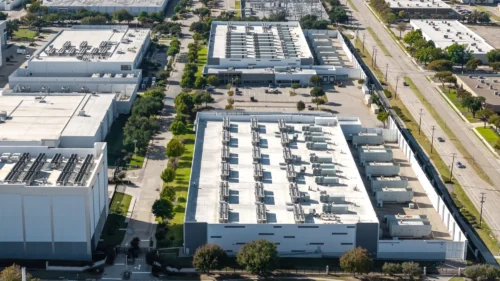 That demand is putting additional pressure on an electricity grid already struggling to expand capacity, which is why major technology companies are already seeking dependable power sources.
Google has been linked to a 115-megawatt geothermal arrangement through NV Energy, while Meta has agreed to purchase up to 150 megawatts of geothermal power.
These developments help explain why Tilson sees a broader opportunity across the energy industry.
Utilities need additional capacity. Equipment manufacturers need to increase production. Infrastructure businesses may benefit from new construction.
It’s important to know which companies can meet that demand at attractive costs.
Why Building New Supply Is Harder Than It Looks
America cannot solve its electricity problem simply by announcing new power plants.
Building additional capacity requires turbines, specialized equipment, construction crews, and reliable grid connections.
Unfortunately, three manufacturers control roughly 90% of the market, with equipment backlogs creating delivery delays of five to eight years in some cases.
That means even well-funded utilities can struggle to expand quickly, and similar obstacles can affect mining and other resource industries as well.
Companies cannot develop new production overnight. Permits, financing, equipment, and construction all take time.
This delay is central to the commodity supercycle investment case.
Demand can accelerate quickly, while supply may take years to respond.
Businesses with existing operations or essential equipment could benefit during that gap.
Geothermal Energy Shows How the Thesis Could Play Out
Geothermal energy offers one of the clearest examples of Tilson’s approach.
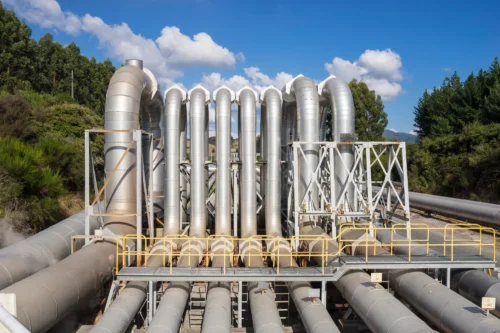 Unlike solar and wind, geothermal can generate electricity around the clock.
However, it has historically supplied less than 1% of US electricity, partly because conventional projects depend on suitable geography and expensive drilling.
Enhanced geothermal systems, or EGS, could change that through drilling techniques developed in the oil and gas industry to access underground heat in more locations.
In one example, Fervo Energy has already reduced drilling time on one commercial well from 70 days to 21 days, a 70% reduction. The company also nearly halved drilling costs.
Faster, cheaper drilling can make previously uneconomical projects financially attractive.
Geothermal is not entirely new, either.
Berkshire Hathaway Energy operates 10 geothermal plants in California, representing approximately 345 megawatts of capacity.
The International Energy Agency has also outlined a scenario involving roughly $1 trillion in geothermal investment by 2035, followed by another $1.5 trillion by 2050.
The Opportunity Extends Beyond Commodity Producers
One of the more attractive aspects of Tilson’s strategy is his focus on the companies supporting resource development.
A business doesn’t need to own a geothermal plant to benefit from expanding geothermal capacity.
Drilling contractors, steel-pipe manufacturers, equipment suppliers, and landowners can account for the majority of a geothermal project’s spending.
That creates substantial opportunities for companies supplying the machinery, materials, and expertise needed to complete these projects.
Some already serve the oil and gas industry, giving them experience and equipment that may transfer into geothermal development.
I find this approach more appealing than relying entirely on rising commodity prices.
A supplier could benefit from spending across several projects, even when individual developers encounter setbacks.
What Could Prevent the Commodity Supercycle From Developing?
The case for a commodity supercycle is promising, but several factors could weaken it.
A recession could reduce demand for energy and industrial materials. Higher commodity prices may also encourage additional production, eventually easing shortages.
Technology creates another uncertainty.
Faster drilling and better equipment can improve project economics, but they may also help supply catch up with demand.
Geothermal faces challenges of its own, as commercial projects still require financing, permits, grid connections, and reliable operations.
Better drilling results don’t automatically guarantee profitable electricity generation.
On the stock front, even a company benefiting from a growing industry can disappoint shareholders if its share price already reflects years of expected growth.
Capturing the commodity trend is important, but locating the right companies at a sensible valuation remains essential.
 How Commodity Supercycles Turns the Thesis Into Stock Opportunities
 How Commodity Supercycles Turns the Thesis Into Stock Opportunities
Tilson focuses on publicly traded businesses positioned to benefit from these long-term economic changes.
That includes resource producers, utilities, drilling specialists, infrastructure companies, and equipment suppliers.
But exposure to a growing industry isn’t enough.
A company still needs sound finances, capable management, competitive advantages, and an attractive valuation.
For example, rising geothermal demand could benefit several drilling businesses.
The stronger opportunity may be the company with established contracts, manageable debt, and equipment suited to the work.
That company-level focus is what makes Commodity Supercycles compelling.
Rather than relying on a broad prediction that commodities will rise, Tilson looks for businesses capable of turning structural demand into stronger earnings and potentially higher share prices.
Is Whitney Tilson’s Commodity Supercycle Thesis Convincing?
I feel strongly that Tilson has built a credible investment case around a genuine economic problem.
AI is increasing electricity demand while aging infrastructure, equipment shortages, and lengthy development schedules make additional supply difficult to deliver.
Fervo’s drilling improvements show how technology could unlock new opportunities. Google’s and Meta’s geothermal commitments demonstrate growing commercial interest.
Not every commodity will enter a prolonged boom, and not every company will benefit.
Still, rising demand, constrained supply, and improving technology create attractive opportunities for selective stock picking.
If you’re interested in finding businesses positioned around these trends, Commodity Supercycles offers a practical way to put Tilson’s investment thesis to work.
Consider subscribing now to explore the opportunities before the next major resource cycle gains wider attention.

 Tags: