

Overtrading happens when investors buy and sell stocks too often, frequently without a clear purpose or strategy. It is sometimes called excessive trading or simply too much trading in stocks.
At first it might seem like staying active in the market shows discipline and awareness, but frequent buying and selling usually work against your long-term results.
When you overtrade, you are constantly trying to react to market movements instead of letting your investments grow.
This behavior is common among newer investors who want quick progress, but it often leads to lower profits and higher costs.
To understand why overtrading in investing can hurt returns, it helps to see how it quietly reduces gains over time.
Why Too Much Trading in Stocks Hurts Performance
The biggest problem with overtrading is that it chips away at returns in small but consistent ways.
Each trade carries a cost, even when commissions appear low. Every time you buy or sell there is a small price gap called a spread, which is the difference between the price at which a stock is offered for sale and the price at which there are offers to buy.
Over hundreds of trades, these small costs add up and reduce your overall profit.
Taxes are another hidden drag. When you sell an investment after holding it for less than a year, any profit is taxed as ordinary income instead of at the lower long-term capital gains rate.
This difference means frequent traders often lose a larger share of their profits to taxes, even if they make smart stock choices.
The third and most damaging effect is the loss of compounding. Compounding works by letting your gains build on themselves over many years.
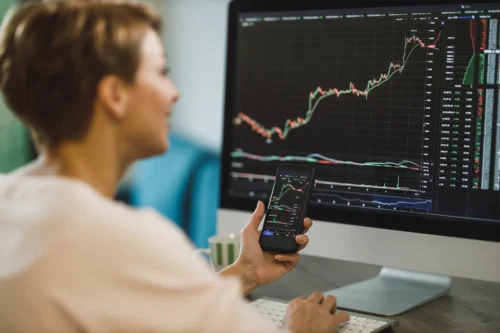 Each time you sell, you interrupt that process. Over time, the impact of overtrading on returns becomes clear: less time in the market means less growth from compounding.
How Emotions Drive Overtrading
Overtrading is rarely about logic. It is usually emotional. Investors often trade too much because they feel anxious when markets move or excited when prices rise. This reaction is called behavior bias, and it affects almost everyone.
Some investors trade excessively because they are overconfident, believing they can outsmart the market. Others act out of fear, trying to avoid losses by selling too soon.
Social media and nonstop financial news make these emotions stronger, encouraging fast decisions instead of thoughtful ones.
Recognizing these feelings is the first step toward better control. Investing should feel calm, not rushed.
The most successful investors learn to pause before acting and remember that markets move in cycles. Quick reactions rarely lead to better outcomes.
A Simple Example of How Overtrading Reduces Profits
Imagine two investors who each start with ten thousand dollars. The first investor buys a low-cost index fund and holds it for ten years, earning an average of eight percent per year.
The second investor trades individual stocks every month, switching positions whenever the market shifts. After paying taxes and trading costs, this investor’s average return drops to about five percent.
At the end of ten years, the long-term investor has roughly twenty-one thousand six hundred dollars. The frequent trader ends with about sixteen thousand three hundred dollars.
Both started with the same amount, but the difference, more than five thousand dollars, shows how overtrading hurts returns. The steady investor let time and compounding do the work, while the overtrader kept interrupting progress.
Why Market Timing Rarely Works
Many people overtrade because they believe they can time the market. They try to sell before prices fall and buy again before they rise. Even professional investors struggle to do this successfully.
Missing just a few of the market’s best days can make a huge difference in long-term results.
Between 2003 and 2023, for example, missing the ten strongest days in the S&P 500 would have cut an investor’s annual return almost in half.
The reason is simple: those big up days often come right after the worst declines, when nervous traders have already sold. Staying invested through volatility gives you a better chance to benefit when markets rebound.
The Emotional Cost of Constant Trading
Overtrading in the stock market is not only a financial problem. It is also exhausting. Watching prices all day and constantly making decisions creates stress that can cloud judgment.
Many investors begin to second-guess themselves, leading to even more trading.
When you step back and focus on long-term goals, investing becomes less emotional. You stop chasing quick gains and start building steady progress. Investing is not meant to be thrilling.
The goal is consistent growth that helps you reach your financial objectives.
Recognizing the Signs of Overtrading
It can be hard to know when active trading crosses the line into overtrading. A few signs are worth noticing.
If you find yourself checking your account several times a day, reacting to every piece of news, or feeling pressure to always be doing something with your portfolio, those are warnings.
Another sign is frequent changes to your investment plan. A good strategy should last for years, not days.
When you constantly shift between ideas or buy and sell based on short-term movements, you are probably trading too much.
Recognizing these habits is important because they are often invisible while they happen. Slowing down and reviewing your trades every few months can help you see patterns that hurt your performance.
Overtrading Versus Long-Term Investing
Overtrading and long-term investing represent two very different mindsets. Overtrading is reactive. It depends on short-term thinking and quick responses. Long-term investing is proactive. It is built on patience and a clear plan.
In long-term investing, your returns grow because you stay invested through both good and bad markets. You allow dividends and gains to compound over time. By contrast, overtrading interrupts that process.
The more you trade, the more you pay in costs and the less time your money has to grow.
Successful investors understand that real wealth comes from time in the market, not timing the market. The slower approach often produces better results.
How to Stop Overtrading
Breaking the habit of frequent trading begins with having a clear investment plan. Decide on your goals, your time horizon, and how much risk you are comfortable taking. Once the plan is in place, stick to it.
Checking your portfolio too often can make you feel like you need to act, even when you do not. Try reviewing your holdings only a few times a year.
Many investors also find it helpful to automate their investments. Regular automatic contributions to diversified funds remove emotion from the process and help you stay consistent.
Keeping a simple record of your trades can also help. Writing down why you bought or sold a stock forces you to think before acting. Over time, you will see which decisions were thoughtful and which were emotional.
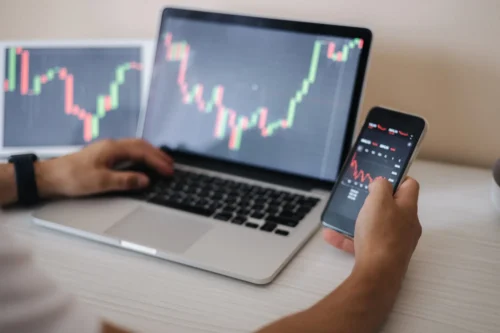 The goal is not to stop trading entirely but to trade with purpose rather than impulse.
The Long-Term Benefits of Patience
When you avoid overtrading, your money stays invested longer, giving compounding a chance to do its work. You also reduce taxes and trading costs, two of the biggest drains on returns.
Most importantly, you remove stress and uncertainty from the process.
Investing rewards those who stay calm and disciplined. By trading less, you often earn more. This approach is not only more profitable but also more sustainable. It turns investing from a guessing game into a steady plan for growth.
Frequently Asked Questions
What does overtrading mean in investing?
Overtrading means buying and selling investments too often, usually without a long-term plan. It leads to higher costs and lower overall returns.
Why is overtrading bad for investors?
It increases taxes, interrupts compounding, and creates emotional stress that leads to poor decisions. Over time, these factors reduce your profits.
Can overtrading cause losses even if trades look profitable?
Yes. After fees, spreads, and taxes, many short-term profits disappear. Frequent trading also increases the chance of missing the market’s strongest recovery days.
How can I tell if I am overtrading?
If you trade frequently, check prices constantly, or feel pressure to act after every bit of market news, you are likely overtrading.
How can I stop overtrading stocks?
Set a clear plan, automate your investments, and focus on long-term goals. The less you react to daily price changes, the more your returns can grow.
Conclusion
Overtrading might feel productive, but it often works against investors.
Every trade carries hidden costs that slowly erode returns. The key to building wealth is not constant activity but steady participation.
By investing thoughtfully, staying patient, and letting time compound your gains, you give yourself the best chance for success.
The market rewards discipline, not motion. Understanding that truth is one of the most valuable lessons any investor can learn.

 Tags:
Tags: