


I joined The Near Future Report when I heard about Jeff Brown’s “Manifested AI” pitch and wanted to see how it lives up to expectations.
Artificial intelligence is all the rage right now, but not every initiative will pan out – but is this one of them?
This Near Future Report review covers what you actually get, what it costs, and how it fits real portfolios.
Monthly AI tech research with real trade settings — buy ranges, stop losses, and same-day alerts — backed by Jeff Brown's deep industry background in chips and networks
The trade plan structure — each pick comes with a buy range, stop loss, and position sizing notes, reducing guesswork between the pitch and actual execution
Sales video relies heavily on bold vendor projections that are difficult to verify — the ongoing research process is the real value, not the headline numbers
>> Jeff Brown’s Favorite Stock Picks Revealed! <<
What Near Future Report Covers (Scope and Style)
The Near Future Report is a monthly investment newsletter from Brownstone Research, focusing on fast-changing tech stories and the stocks tied to them.
Think chips, AI platforms, robots, space, energy systems, and key suppliers behind those trends.
Members receive one primary issue per month, portfolio updates, and email alerts when Brownstone posts changes.
It caters to self-directed individuals who want growth ideas backed by a simple write-up, a ticker, and trade settings.
You do not need to be a coder or an engineer to understand the content here, but you do need the stomach to hold through choppy weeks.
The service skews toward mid and large caps with the occasional smaller name during special situations.
Editor Background and Expertise Signals


Jeff Brown is a veteran tech executive and newsletter editor. His past roles include senior posts at Qualcomm, NXP Semiconductors, and Juniper Networks.
He has also worked as an angel investor and has written widely read tech letters for years.
In mid-2024, he returned to lead Brownstone Research and publish The Near Future Report again. Today, he serves as the editor behind this service.
>> Access Jeff Brown’s top picks now! <<
Is Jeff Brown Legit?
From a background standpoint, yes. His industry history is real and deep.
He has been early on themes like AI chips, next-gen networking, and autonomy.
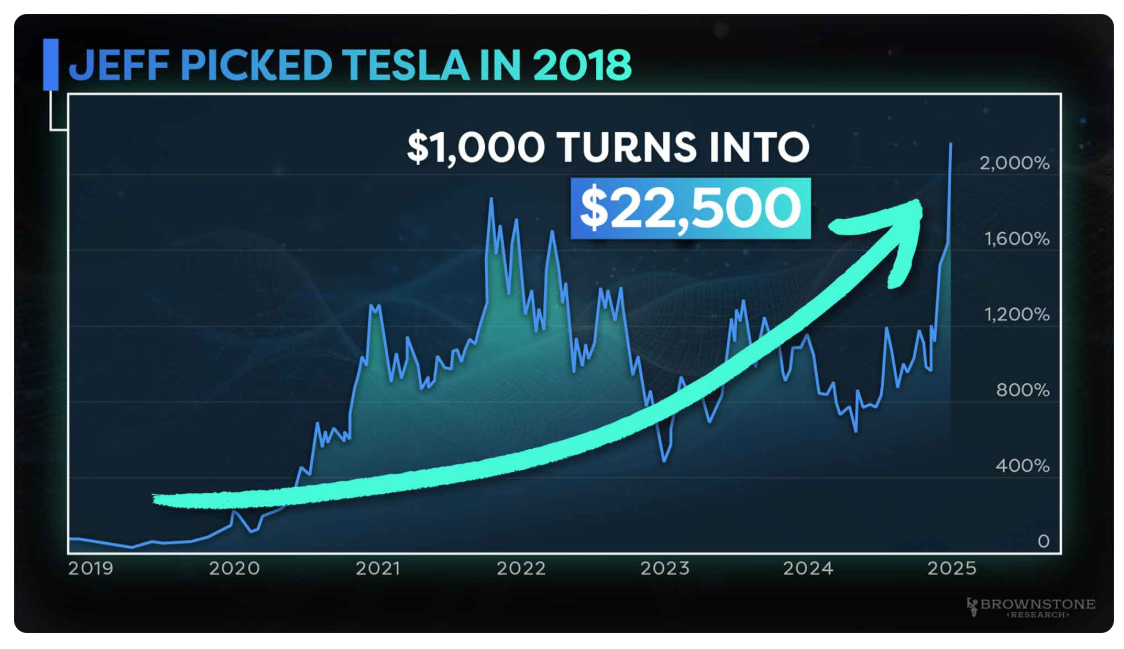
The presentation for Manifested AI highlights past calls on Nvidia (2016), AMD (2017), and Tesla (2018).
Treat these as vendor claims unless you have your own trade records, but the timelines match public price history.
Plus, there are plenty of media clips and conference talks out there with his name attached that add to his credibility.
>> Get Jeff Brown’s financial insights today! <<
What Is “Manifested AI” In The Offer?
The pitch frames a shift from AI on screens to AI in the physical world. The phrase “Manifested AI” is used to describe robots and machines guided by AI that can see, move, and act with little human input.
The hook centers on Tesla’s Optimus program and a supplier that, according to the pitch, provides key “eyes” for that vision stack. The promised starting point is a stock near the $50 mark at the time of the presentation. All of that is the vendor’s framing.
Why This Matters
Here is the core claim: if robots become useful outside labs and factory cages, demand for sensors, compute, and training systems could soar. The presentation connects that idea to a projected multi-trillion buildout and cites bold growth numbers for the category.
It also ties in xAI’s “Colossus” training cluster and the arms race for GPU capacity. In simple terms, the story says we have the chips, the data, and now a workable “brain” for machines that can work near people.
If true, suppliers in the stack may see orders ramp as pilots turn into purchase orders.
The key is timing. The pitch leans on a near-term milestone date and argues most investors will chase the big tickers while missing one or two linchpin vendors. If you are used to Brownstone launches, this structure will feel familiar: one flagship stock, a list of reasons, and a calendar window to act.
How The Service Aims To Help
Inside The Near Future Report, Brownstone links that thesis to a ticker, a buy range, risk settings, and ongoing updates. If you have ever been stuck with a big idea and no “what now,” this part matters.
The monthly issue walks through the business model, balance sheet color, and a stop-loss or profit-taking plan. Alerts follow when there is news or a trade change. That is how members move from pitch to position. If you want a step-by-step breakdown of how to use the service from day one, the Near Future Report playbook covers the full process.
Now let’s look at what members actually receive after joining.
>> Access Jeff Brown’s latest picks now! <<
What Comes With The “Manifested AI” Offer?
You get the core newsletter plus extras built around the Manifested AI theme.
Monthly Newsletter Issues

Each month you receive a full issue with one main pick or a deep update on a current position. The writeup is readable in a few pages, then jumps right into the trade plan. You see the buy range, position sizing notes, and risk guardrails.
I liked that the issues avoid long sidebars and stick to the stock, the drivers, and the plan. There is no need to wade through pages of filler. Newer members will also find quick primers in the archive for terms you see often, like TAM, gross margin, or order book.
>> Join now for Jeff Brown’s Top Stock Picks <<
Model Portfolio And Email Alerts
The members area shows an at-a-glance portfolio with entries, ranges, and status flags. If Brownstone moves a stop or raises a target, an email alert lands the same day. The alert style is plain: action first, color second.
For busy readers, this is the part you will use the most. I pinned these alerts to a separate folder so I could scan actions in order without digging through marketing emails.
Weekly Updates And Quick Notes
Between monthly issues, Jeff posts brief updates. These cover earnings beats or misses, supply chatter, new orders, or sector news. The tone is direct. The update tells you if the news changes the plan.
If there is nothing to do, it says so. This is the guardrail that keeps newer members from trading every headline.
>> Sign up now for exclusive stock picks and market insights <<
Helpful Extras I Found Inside
- Research archive: You can read prior issues to learn how Jeff frames themes before they are “hot.” That helps you see how a thesis evolves.
- Position pages: Each open pick has a home page with the writeup, the action history, and the latest risk settings. This prevents mistakes when you are sizing new buys.
- Getting-started notes: New subscribers receive a simple email series on account setup, model portfolio use, and alert cadence. It is short and clear.
- Mobile-friendly portal: The site works fine on a phone. Charts and tables resize in a clean way.
“Manifested AI” Bonuses Included With This Promotion
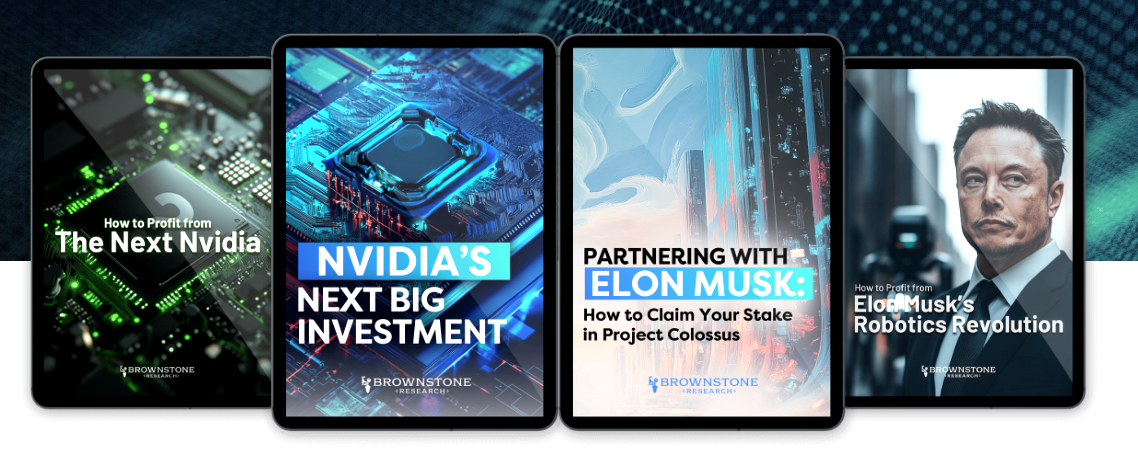
- Elon’s 25,000% Secret Weapon: This report lays out the stock the pitch calls critical for Tesla’s robot vision. You get the ticker, the rationale, and the trade plan. Treat any “25,000%” phrasing as vendor claims, not a forecast.
- Partnering With Elon Musk: How to Claim Your Stake in Project Colossus: This guide explains a legal path to gain exposure to xAI’s compute buildout through public-market vehicles. It is pitched as a backdoor method. Again, these are vendor claims and should be weighed like any single-idea note.
- How to Profit from the Next Nvidia: A chip-focused report on a company the team believes could power the next stage of AI workloads. The paper includes a ticker and trade settings. Treat performance statements as vendor claims.
>> Get the “Manifested AI” Full Report Now! <<
Near Future Report Pricing Map: Intro Offers and Renewals
after the first year
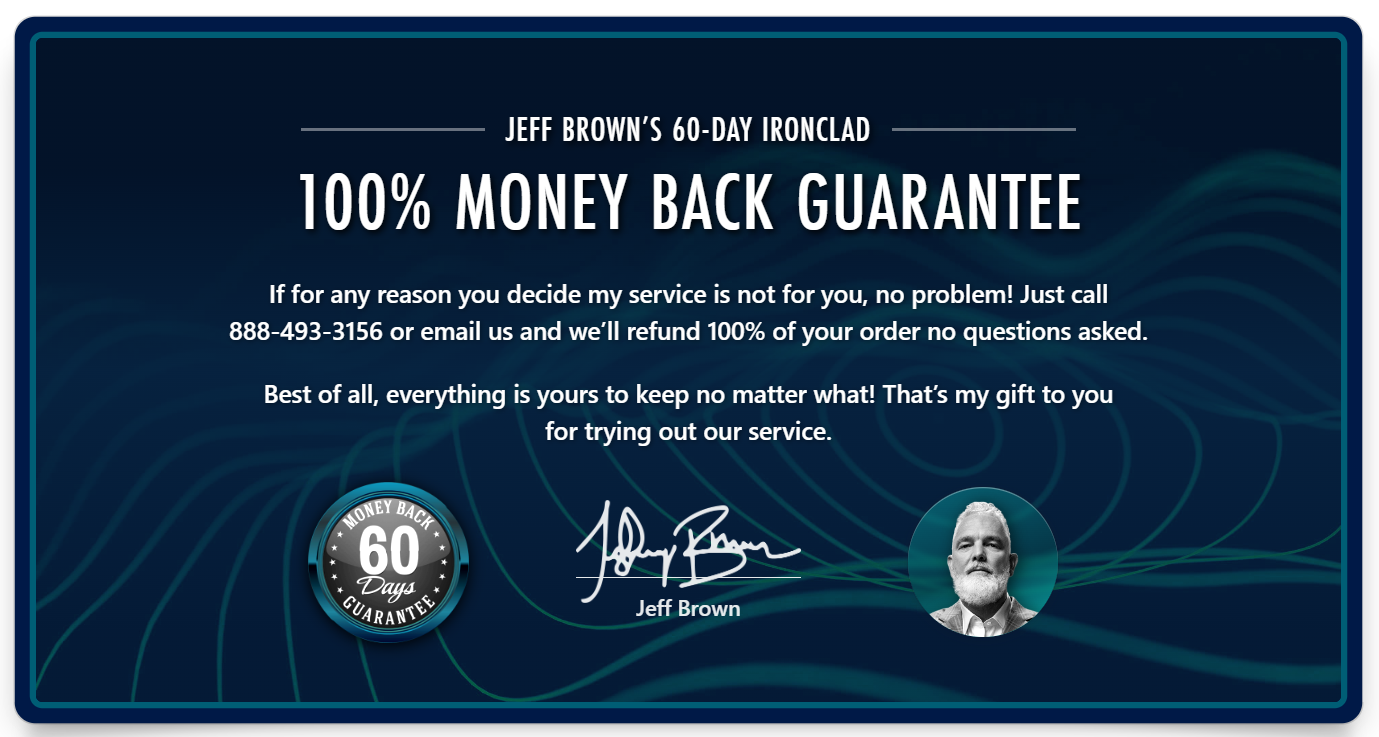
During this Manifested AI promotion, you can grab your first-year of the service for just $179.
You’re not getting a ton off the cover price, but you’re still paying less than $3.50 per week for all the content I went over here.
The current renewal rate is $199 per year, and the subscription renews automatically unless you cancel before the timeline ends.
Claims Review: What’s Verifiable vs What’s Promotional
This is where I slow things down. The presentation features charts showing big past winners and bold projections for robots, chips, and AI training. Those graphics support the sales story.
Brownstone does not provide a third-party audited track record for The Near Future Report. If you want to know what issues subscribers have raised, see the common Near Future Report complaints before deciding. Inside the portal, you will see current open positions and closed trades noted by date. That is useful, but it is not an audit.
Any return figures tied to Nvidia, AMD, Tesla, or other names in the video are vendor claims. Historical price data does show large multiyear moves for those tickers. Your results depend on buy and sell timing, discipline, and tax handling. If you want a verified number set, it is not provided. That is normal for this niche, but it is still worth noting.
Bottom line: the service gives you a plan and keeps you posted. It does not promise a specific outcome, and there is no magic line to safe gains.
 Risk And Suitability
 Risk And Suitability
If you want a plain index fund approach, this is not it. The service is best for readers who can hold through swings, follow alerts, and size positions modestly. Expect periods when the market “fights” strong themes and good companies still fall.
That is normal. Keep single-position risk small, use stops as given, and avoid chasing entries far above the posted buy range.
Taxes: Many ideas here are swing or multi-quarter holds. If you sell inside a year, gains are taxed as short-term in most cases. Wash-sale rules can also bite if you stop and reenter within 30 days at a loss. Ask a tax pro for your exact case.
This review is educational content, not financial, legal, or tax advice.
Who It’s For and Who Should Skip It
There’s a lot inside The Near Future Report that caters to a variety of folks.
It takes big tech ideas and runs with them, giving you access to opportunities that you likely wouldn’t have found on your own.
Even if you’re somewhat new to investing, Brown lays a firm foundation and provides the tools to take these ideas all the way to your broker.
The platform saves me a lot of time sifting through potential leads while backing recommendations up with clear data, something I think most of us can benefit from.
Since it goes after tech stocks, you’ll need to be okay with some speculation and have the patience for topsy-turvy behavior from time to time.
If you can’t stomach that, I wouldn’t hang out here.
Jeff doesn’t typically focus on fast movers, preferring plays he can hold for several months at a time, so make sure that fits with your strategy.
Pros and Cons
Pros
Cons
> Uncover the full scoop on the Next Nvidia! <<
Near Future Report Refund Policy and Support
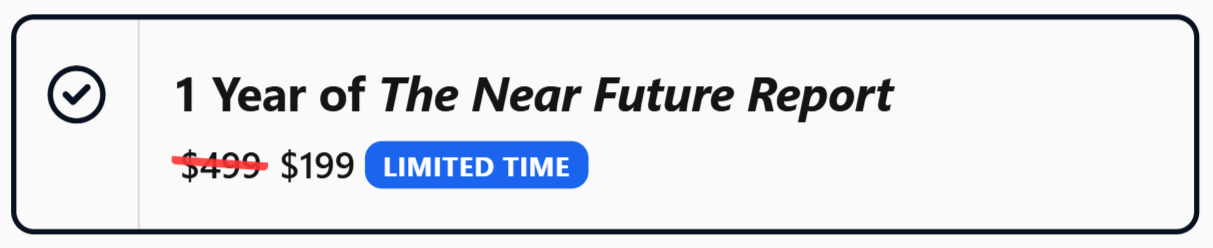
At the time of this review, Brownstone lists a 60-day money-back guarantee for new Near Future Report subscriptions. The first-year promotional price is $179, and renewals are currently $199 per year.
Subscriptions auto-renew unless you cancel before the renewal date. Brownstone’s support line is listed as 888-493-3156, Monday to Friday, 9 a.m. to 5 p.m. ET. Their terms state that bonus reports are yours to keep if you request a refund within the window.
Always confirm these terms on the checkout page, since pricing and policies can change without notice.
Any “risk-free” language in sales pages should be read as a refund window, not a promise of profit.
>> Join risk-free under Jeff’s guarantee <<
Alternatives to Compare Before Buying
Look to these alternatives if there’s something about Near Future Report that doesn’t jive with you:
Motley Fool Rule Breakers
Rule Breakers is about finding companies that could become the giants of tomorrow. The service tends to highlight bold businesses—often tech companies—that are doing something different enough to reshape their industries. The philosophy is simple: buy great innovators and give them time to grow.
Compared with that, Near Future Report feels more like a technology-focused briefing. Jeff Brown spends a lot of time explaining where technology is heading and why certain industries might explode. The stock picks come out of those big tech themes rather than purely from the strength of the companies themselves.
Zacks Premium
Zacks Premium isn’t really a typical newsletter experience. It’s more like a research system built around stock rankings, screens, and analyst data. Investors use it to filter the market and find companies whose earnings outlook is improving.
If you’re used to Near Future Report, Zacks will feel much more analytical and less narrative-driven. Instead of reading about future technology trends, you’re mostly interacting with data and rankings to uncover opportunities.
Growth Investor focuses on companies that are already showing strong financial momentum. Navellier grades stocks based on things like earnings growth, sales growth, and analyst upgrades, then highlights the ones that score best.
Near Future Report takes a more forward-looking approach. Rather than relying heavily on financial scoring models, it spends more time exploring emerging technologies and identifying companies connected to those developments.
Near Future Report Review — FAQs
I look for clear domain expertise, a transparent research process, and whether the service distinguishes speculation from investable theses. I also prioritize disclosure around volatility and theme-cycle risk.
What should I confirm about bonuses and special reports?
Verify whether bonuses are one-time downloads, ongoing updates, or time-limited access, and whether they change the renewal price. Treat bonuses as secondary value unless they include ongoing support or updates.
How can I use theme-based picks without taking excessive risk?
Use position sizing limits, diversify across themes, and set expectations for drawdowns. If the service doesn’t provide portfolio rules, you’ll need your own guardrails (max allocation per position/theme).
Paid link; commissions help support our work. Past performance is not indicative of future results.







 Tags:
Tags: